 The MAENA project will implement and disseminate agricultural practices that allow the recovery of the water cycle and the adaptation of crops to climate change
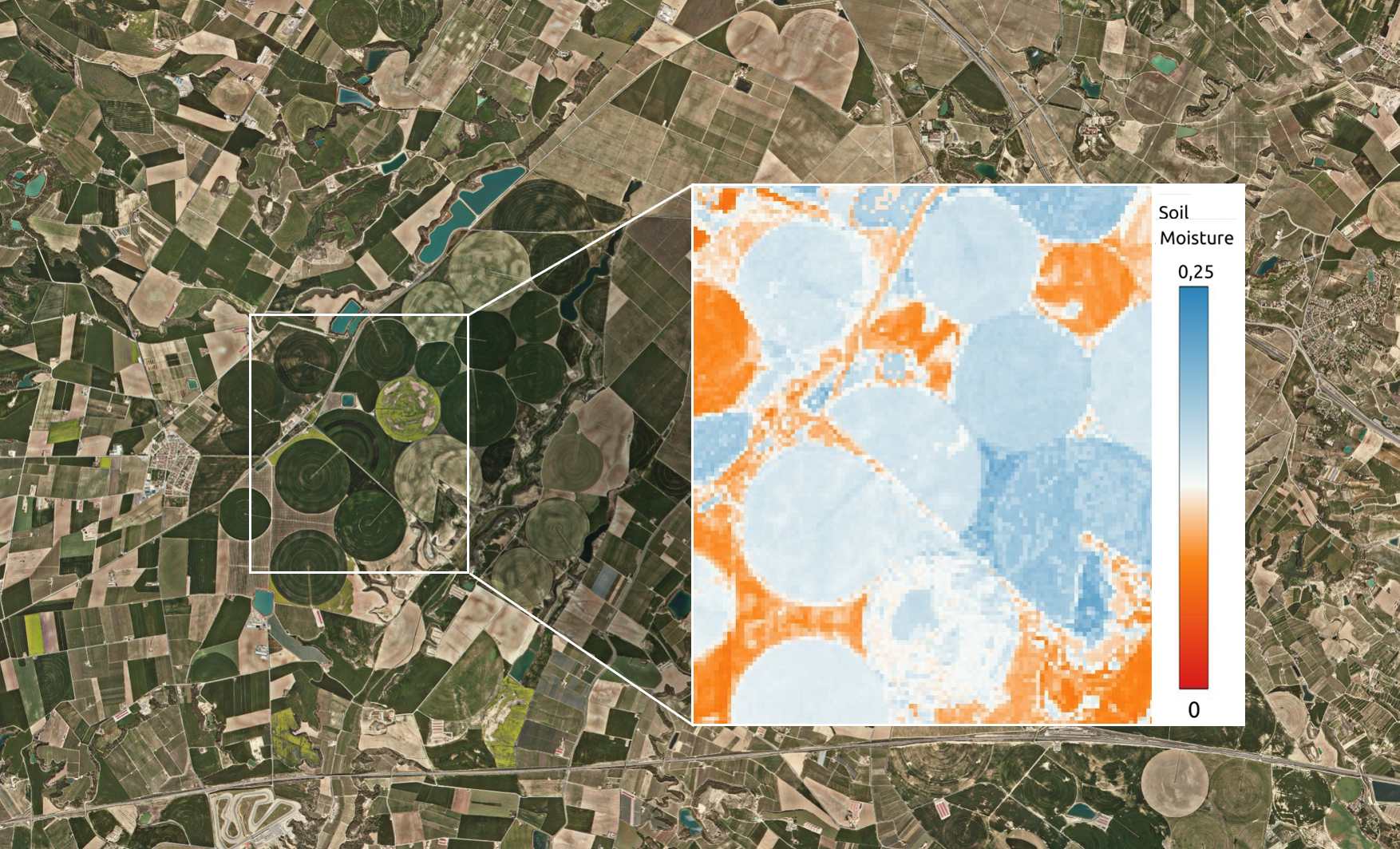
isardSAT is launching a call for collaboration with active projects in Catalonia that apply practices to restore the small water cycle, improving the resilience of agriculture. Within the framework of the European project MAENA, isardSAT will provide remote sensing data to complement projects that involve practices that focus on soil conservation or water-energy efficiency, such as regenerative agriculture, plant covers in crops, or improvements in conventional irrigation.
Get involvedisardSAT is one of the members of the MAENA consortium, a cooperation project dedicated to restoring the water cycle for a more resilient agriculture. This is a project funded by the European Union through the Interreg NEXT MED program. Within the framework of the project, Small Water Cycle (SMW) restoration practices will be designed and implemented in 26 Mediterranean farms located in Italy, Tunisia, Jordan, Lebanon, and Catalonia.
The final objective is to collect and disseminate good agricultural practices that allow the water cycle to be recovered and crops to adapt to climate change. The project has an eminently participatory approach and will bring together key agents from different sectors (public administration, producers, research centres and associations) to generate models that facilitate the implementation of these measures throughout the Mediterranean region.
Call for Services: External Audit (First Level Controller)
In order to ensure a proper verification and certification of isardSAT’s expenditures, isardSAT has opened a Job post for a First Level Controller (FLC). The auditor will be responsible for ensuring document control and compliance with the project’s financial obligations, in accordance with the programme’s regulations and the national control system.
View Job offer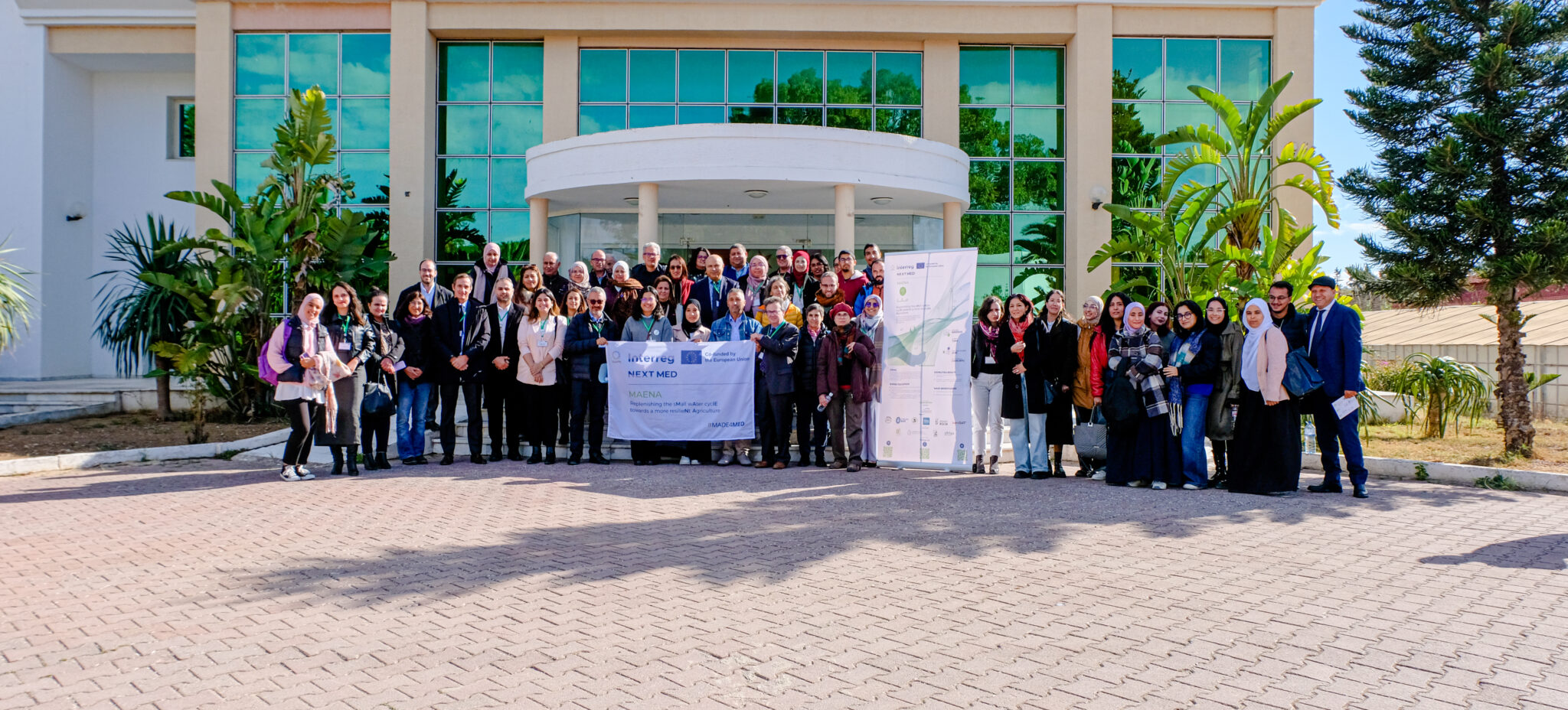 The MAENA consortium at the project launch meeting on November 26 in Tunis
In Catalonia, isardSAT will provide monitoring based on remote sensing data such as soil moisture, drought indices, or water content in vegetation, among others, in plots that are already developing water-optimisation solutions, to deepen their knowledge or improve them. The call includes the possibility of complementing remote sensing data with additional in-situ instrumentation or laboratory measurements in the selected plots. In this way, farmers will benefit from SWCR practices implemented in their lands, including equipment and infrastructure work.
In addition, participants will be able to take part in events with the rest of the project partners and associated members to explain and disseminate the applied solutions.